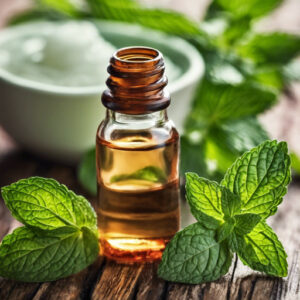
Aromatherapy has evolved into a popular holistic treatment approach, using essential oils for various physical and emotional ailments. Among the myriad of essential oils, peppermint essential oil stands out for its distinct properties and versatility. Extracted from the leaves of the peppermint plant (Mentha × piperita), this oil not only carries a refreshingly invigorating scent but also offers a wide range of therapeutic benefits.
This article delves into the role of peppermint essential oil within aromatherapy, outlining its benefits and techniques for effective application.
Benefits of Peppermint Essential Oil
Peppermint essential oil is renowned for its strong, fresh aroma and cooling sensation. Its chemical composition primarily consists of menthol, menthone, and other components that contribute to its characteristic scent and therapeutic properties. Each of these compounds interacts with the body and mind, making peppermint essential oil a staple in aromatherapy practices.
Therapeutic Benefits of Peppermint Essential Oil
1. Relief from Headaches and Migraines
One of the most common uses of peppermint essential oil is in alleviating headache and migraine symptoms. The menthol content of the oil has a cooling effect that can soothe head pain when diluted and applied topically to the temples or the nape of the neck. Studies indicate that inhaling peppermint oil can significantly reduce headache intensity, making it an effective natural remedy.
2. Improving Digestive Health
Peppermint oil has a long-standing reputation for supporting digestive health. It can help alleviate digestive discomfort, such as bloating, gas, and indigestion. When diffused or ingested in a safe, diluted form, peppermint essential oil may stimulate digestive enzymes and soothe the smooth muscles in the gastrointestinal tract.
3. Enhancing Mental Clarity and Focus
The invigorating aroma of peppermint essential oil is known for its ability to boost mental alertness and concentration. Inhaling peppermint oil can stimulate the mind, aiding in clarity and focus. This makes it a popular choice for individuals looking for an extra edge during study sessions or demanding tasks at work.
4. Easing Respiratory Issues
Peppermint essential oil is recognized for its ability to support respiratory health. Its decongestant properties can relieve nasal congestion, making it beneficial for those suffering from colds, sinusitis, or allergies. By diffusing peppermint oil or adding a few drops to a steam inhalation mixture, one can experience clearer airways and easier breathing.
5. Mood Enhancement and Stress Relief
The bright, energizing scent of peppermint can uplift mood and reduce feelings of stress or anxiety. The olfactory system closely links with the limbic system, which governs emotions. Incorporating peppermint oil into breathing exercises or meditation practices can help create a more centered and positive emotional state.
Techniques for Using Peppermint Essential Oil in Aromatherapy
To harness the benefits of peppermint essential oil effectively, various application techniques exist. Each method can enhance its therapeutic effects while providing an enjoyable sensory experience.
1. Diffusion
Diffusing peppermint essential oil is one of the most straightforward ways to experience its benefits. Using an essential oil diffuser, peppermint oil can be dispersed into the air in your home or workplace, creating a refreshing atmosphere.
Technique:
Fill the diffuser with water according to the manufacturer’s instructions.
Add 3-5 drops of peppermint essential oil, adjusting the amount based on personal preference for scent intensity.
Turn on the diffuser and let the aroma fill your space, breathing deeply to absorb the benefits.
2. Inhalation
Direct inhalation of peppermint essential oil can offer immediate relief, especially for headaches, sinus congestion, and fatigue.
Technique:
Place 1-2 drops of peppermint essential oil on a cotton ball or tissue.
Inhale deeply through the nose for a few moments, allowing the scent to invigorate your senses.
Alternatively, you can add a few drops to a bowl of hot water. Lean over the bowl and cover your head with a towel to create a steam inhalation experience, being careful not to get too close to the hot water.
3. Topical Application
Peppermint essential oil can be applied topically for targeted relief. However, it is crucial to dilute it with a carrier oil to prevent skin irritation. Common carrier oils include coconut, jojoba, and almond oil.
Technique:
Combine 1-2 drops of peppermint essential oil with a teaspoon (5 ml) of carrier oil.
Apply to temples, neck, or other areas of discomfort, gently massaging the oil into the skin.
Perform a patch test on a small skin area to check for potential allergic reactions before broader application.
4. Bathing
Incorporating peppermint essential oil into bathwater can transform an ordinary bath into a relaxing, aromatic experience.
Technique:
Mix 5-10 drops of peppermint essential oil with a tablespoon of a carrier oil (to help the oil disperse in water).
Add this mixture to warm bathwater and soak for 15-20 minutes, enjoying the refreshing scent while allowing the muscles to relax.
5. Massage
Peppermint essential oil can enhance the benefits of therapeutic massage. When combined with carrier oils, it can help alleviate muscle tension and soreness.
Technique:
Create a massage blend by adding 5-10 drops of peppermint oil to 1 ounce (30 ml) of carrier oil.
Use this mixture to massage sore muscles or areas of tension, employing gentle circular motions for optimal effect.
6. DIY Products
Incorporating peppermint essential oil into homemade products, such as potpourri, sprays, and candles, can enhance your living environment with its invigorating scent.
Technique:
Potpourri: Add 10-15 drops of peppermint essential oil to a bowl of dried flowers, herbs, or spices.
Room Spray: Combine 1 cup of water with 10-15 drops of peppermint essential oil in a spray bottle and shake well before use.
Candles: When making candles, add peppermint essential oil to the melted wax just before pouring it into molds.
Safety Precautions
While peppermint essential oil is generally safe for use, certain precautions should be considered:
Dilution: Always dilute peppermint essential oil before applying it to the skin to prevent irritation.
Pregnancy and Nursing: Pregnant or nursing individuals should consult a healthcare professional before using peppermint oil.
Children: Use caution when applying peppermint essential oil around children, particularly those under 2 years old, and consider using lower concentrations.
Health Conditions: Individuals with specific health conditions, such as GERD or epilepsy, should consult a healthcare provider before use.
Peppermint essential oil holds a significant position in aromatherapy thanks to its diverse therapeutic benefits ranging from headache relief to mood enhancement. When used mindfully, incorporating peppermint oil into daily routines can promote holistic well-being and uplift the spirit. Whether employed through diffusion, inhalation, topical application, or creative DIY projects, peppermint essential oil’s invigorating properties can enrich life’s experiences and serve as a potent ally in natural health management. Understanding how to use this essential oil effectively can lead to a more mindful approach to well-being, integrating nature’s treasures into modern lifestyles.