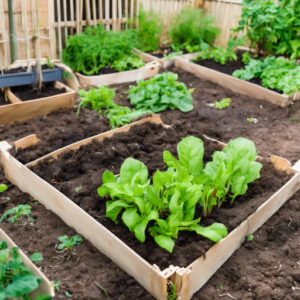
Urban gardening and composting are two powerful tools for anyone looking to embrace a sustainable lifestyle. They not only allow you to grow your own food but also significantly contribute to reducing waste and promoting a healthier environment.
With more people living in cities, the challenge of making the most of limited spaces is more relevant than ever. This guide offers 15 practical tips for urban gardening and composting, ensuring that anyone can cultivate their green thumb in the heart of the city.
1. Understand Your Space
Before embarking on your urban gardening journey, it’s crucial to comprehend the space you have at your disposal. Potential garden areas might include balconies, rooftops, or even small patches of soil in your backyard. Assess the sunlight availability, wind patterns, and microclimates in your area. These factors will dictate the types of plants that thrive, ensuring your gardening efforts aren’t in vain.
2. Start Small with Container Gardening
Container gardening is ideal for urban settings where space is limited. It allows for flexibility and customization. Use pots, window boxes, or hanging containers to grow herbs, vegetables, and flowers. Consider utilizing various sizes and materials to create a visually appealing arrangement while maximizing your growing area.
3. Choose the Right Plants for Your Environment
Selecting the right plants for urban gardening is crucial for success. Opt for varieties that are known to thrive in smaller spaces. Herbs such as basil, cilantro, and mint flourish in pots, while vegetables like cherry tomatoes and radishes require less room to grow. Additionally, native plant species help support local ecosystems and attract beneficial pollinators.
4. Mix Herbs and Vegetables
Create a diverse and productive garden by mixing herbs and vegetables. This practice not only saves space but can also enhance flavor and deter pests. For instance, planting basil alongside tomatoes can improve the taste of the tomatoes while repelling certain insects. Explore companion planting techniques to maximize your yields.
5. Utilize Vertical Gardening Techniques
Vertical gardening is a fantastic way to maximize limited space in urban environments. By using trellises, wall planters, or hanging pots, gardeners can grow upward rather than outward. This method not only conserves ground space but also adds visual interest and can even reduce the heat absorbed by buildings.
6. Implement Water-Saving Techniques
Urban gardening often comes with challenges such as water scarcity. Implementing water-saving techniques is essential. Use drip irrigation systems or self-watering pots to conserve water. Additionally, consider grouping plants with similar watering needs together to optimize moisture retention.
7. Embrace Composting
Composting is an integral part of sustainable living and urban gardening. It allows you to recycle kitchen scraps and yard waste, returning valuable nutrients to the soil. Setting up a compost bin can be as simple as using a small container in your kitchen for organic waste, which is then transferred to an outdoor bin or a larger composter.
8. Choose the Right Composting Method
There are several composting methods to choose from, including traditional compost bins, worm composting (vermicomposting), and bokashi composting. Each method has its advantages, depending on your available space and lifestyle. For instance, vermicomposting is ideal for small apartments, while traditional compost bins work well for those with more outdoor space.
9. Monitor and Maintain Your Compost
To create high-quality compost, it’s essential to monitor and maintain the compost pile. Turn the pile every few weeks to aerate it and speed up decomposition. Keep an eye on moisture levels—too dry, and decomposition slows down; too wet, and it can become smelly and attract pests. Aim for a balance with a consistency similar to a damp sponge.
10. Utilize Organic Materials
When adding materials to your compost, prioritize organic matter. Kitchen scraps like fruit and vegetable peels, eggshells, and coffee grounds are excellent contributions. Yard waste, such as grass clippings, leaves, and small branches, also enriches your compost. Steering clear of meat, dairy, and oily foods is crucial, as these can attract pests and create odors.
11. Create a Fertile Soil Mix
For urban gardeners, building a high-quality soil mix is essential for plant health. Combine your finished compost with potting soil or garden soil to create a nutrient-rich base. This mix can then be used for container gardening or directly in your garden beds, promoting robust plant growth.
12. Implement Pest Control Naturally
Natural pest control methods are particularly important in urban gardening to maintain an eco-friendly environment. Introduce beneficial insects, such as ladybugs and lacewings, to your garden. Use homemade pest repellents, such as a mixture of water and soap or neem oil, to deter unwanted insects. Regularly inspect plants for signs of pest activity to take preventive actions.
13. Practice Season Extension Techniques
Maximizing your growing season is key to successful urban gardening. Use techniques like row covers, greenhouses, or cold frames to protect plants from harsh weather conditions. Planting in succession—where crops are planted in intervals—can also prolong your harvest periods, providing a steady supply of fresh produce throughout the year.
14. Educate Yourself and Seek Resources
Continuous education is vital for successful urban gardening and composting. Attend workshops, read books, or browse online resources to deepen your understanding of sustainable practices. Local gardening clubs or community gardens are excellent places to connect with experienced gardeners who can provide insight and support.
15. Foster a Community Culture
Create a community around urban gardening and composting. Share your gardening successes, exchange tips, and even trade produce with neighbors. Organizing community composting initiatives or gardening events fosters a sense of belonging while promoting sustainable living practices. Building a network of like-minded individuals can inspire and motivate you to stick with your urban gardening journey.
Urban gardening and composting are not merely tasks; they represent a lifestyle shift towards sustainability and environmental stewardship. By following these 15 tips, anyone can cultivate a thriving urban garden and practice responsible waste management through composting. As urban areas continue to grow, embracing these eco-friendly habits will contribute to healthier cities, promote biodiversity, and lead to more resilient communities. Every small step taken in the direction of sustainable living contributes to a greener future for everyone.