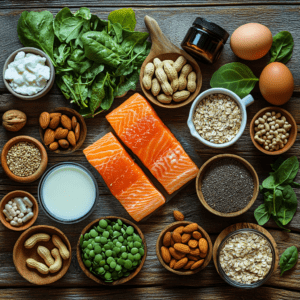
Among the essential nutrients needed for both physical and mental well-being, B complex vitamins stand out due to their diverse health benefits. Rather than a single vitamin, B complex consists of eight different vitamins, each with unique functions and benefits.
While a balanced diet can provide these vitamins naturally, supplementation can be beneficial in certain cases. Here’s a deeper look into B complex vitamins, their advantages, and why you might consider adding a supplement to your routine.
Types of B Complex Vitamins and Their Functions
1. Vitamin B1 (Thiamine)
Thiamine plays a critical role in energy metabolism and nervous system health. It helps convert carbohydrates into energy, making it essential for those with high energy demands, such as athletes. It also supports brain function and can help reduce the risk of neurological disorders.
Food Sources: Whole grains, pork, sunflower seeds, legumes, and nuts.
2. Vitamin B2 (Riboflavin)
Riboflavin aids in breaking down proteins, fats, and carbohydrates for energy production. It is also crucial for eye health and maintaining healthy skin.
Food Sources: Dairy products, eggs, lean meats, green leafy vegetables, and almonds.
3. Vitamin B3 (Niacin)
Niacin is essential for cardiovascular health, as it helps manage cholesterol levels and supports brain function. It is also involved in DNA repair and skin health.
Food Sources: Fish, chicken, turkey, peanuts, mushrooms, and whole grains.
4. Vitamin B5 (Pantothenic Acid)
Pantothenic acid is involved in the production of red blood cells and hormone synthesis. It also plays a key role in metabolizing fats and proteins.
Food Sources: Avocados, eggs, whole grains, dairy products, and meat.
5. Vitamin B6 (Pyridoxine)
Vitamin B6 is vital for brain development and function. It also supports immune health and helps regulate mood by producing neurotransmitters like serotonin and dopamine.
Food Sources: Bananas, poultry, potatoes, fortified cereals, and fish.
6. Vitamin B7 (Biotin)
Biotin is widely known for promoting healthy hair, skin, and nails. Additionally, it assists in metabolizing amino acids and fatty acids.
Food Sources: Eggs, nuts, seeds, sweet potatoes, and salmon.
7. Vitamin B9 (Folic Acid/Folate)
Folic acid is particularly important during pregnancy as it helps prevent neural tube defects in developing babies. It also aids in red blood cell production and DNA synthesis.
Food Sources: Leafy greens, citrus fruits, beans, peas, and fortified grains.
8. Vitamin B12 (Cobalamin)
Vitamin B12 is essential for nerve function, red blood cell formation, and DNA synthesis. A deficiency in B12 can lead to anemia and neurological issues.
Food Sources: Meat, fish, dairy products, eggs, and fortified plant-based products.
Health Benefits of B Complex Vitamins
B complex vitamins provide numerous health benefits, including:
Boosting Energy Levels: These vitamins help convert food into energy, making them essential for individuals with active lifestyles or those experiencing fatigue.
Supporting Brain Health: B vitamins contribute to cognitive function and may reduce the risk of conditions like dementia and Alzheimer’s disease.
Enhancing Mood and Mental Health: Vitamins like B6 and B12 play a role in neurotransmitter production, which can help manage symptoms of anxiety and depression.
Promoting Heart Health: Niacin (B3) and folic acid (B9) help regulate cholesterol levels and support cardiovascular function.
Strengthening Immunity: Several B vitamins contribute to immune function and the production of red and white blood cells.
Improving Skin, Hair, and Nail Health: Biotin (B7) is particularly known for enhancing the appearance and strength of skin, hair, and nails.
Why You Might Need a B Complex Supplement
While many people obtain sufficient B vitamins from a balanced diet, supplementation may be necessary for certain individuals, including:
Vegetarians and Vegans: Vitamin B12 is primarily found in animal products, making supplementation important for plant-based eaters.
Pregnant Women: Folic acid is crucial during pregnancy to prevent birth defects.
Older Adults: The body’s ability to absorb B12 declines with age, increasing the risk of deficiency.
Individuals with Certain Medical Conditions: People with digestive disorders like Crohn’s disease or celiac disease may have difficulty absorbing B vitamins.
Those Experiencing High Stress Levels: Stress can deplete B vitamin levels, making supplementation beneficial for mental well-being.
People with Alcohol Dependence: Excessive alcohol consumption can impair the absorption and utilization of B vitamins.
How to Get B Vitamins Through Food
A well-balanced diet that includes a variety of whole foods is the best way to obtain B vitamins naturally. Some dietary tips include:
Eat a Variety of Protein Sources: Meat, fish, eggs, and dairy products provide ample amounts of B vitamins.
Incorporate Whole Grains: Brown rice, quinoa, and whole wheat bread are excellent sources of B vitamins.
Include Plenty of Fruits and Vegetables: Leafy greens, avocados, and citrus fruits contribute to folate intake.
Snack on Nuts and Seeds: Almonds, sunflower seeds, and peanuts are great for boosting B vitamin levels.
Consider Fortified Foods: Plant-based eaters can get B12 from fortified cereals, soy products, and nutritional yeast.
B complex vitamins are essential for energy production, brain function, heart health, and overall well-being. While a balanced diet can provide these nutrients naturally, supplementation can be beneficial for those with dietary restrictions, medical conditions, or higher nutrient demands. Whether through food sources or supplements, ensuring adequate intake of B vitamins can have significant health benefits and improve overall quality of life.