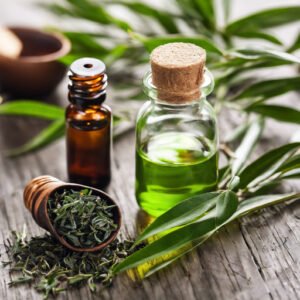
Tea tree essential oil, derived from the leaves of the Melaleuca alternifolia plant native to Australia, is renowned for its myriad of therapeutic properties. Historically used by Indigenous Australians for various ailments, tea tree oil has garnered international acclaim for its antiseptic, antifungal, antiviral, and anti-inflammatory benefits.
Its versatility makes it a staple in natural wellness and beauty regimes. In this post, five DIY recipes are provided, each showcasing the efficacy of tea tree essential oil across different applications.
1. Tea Tree Facial Cleanser
Ingredients:
¼ cup unscented liquid castile soap
½ cup distilled water
10 drops of tea tree essential oil
5 drops of lavender essential oil (optional for scent)
1 teaspoon of witch hazel (optional for added toning)
Instructions:
1. In a mixing bowl, combine the liquid castile soap and distilled water. Stir gently to avoid excessive foaming.
2. Add the tea tree essential oil and lavender essential oil, if using. Stir to integrate the oils into the mixture.
3. For additional toning properties, incorporate witch hazel and mix well.
4. Transfer the mixture to a clean, dark glass bottle for storage. This helps prolong the shelf life of the essential oils from exposure to light.
5. To use, pump a small amount onto your hands or a cotton pad, then gently massage onto the face in circular motions. Rinse thoroughly with warm water.
Benefits:
Tea tree oil’s potent antibacterial properties make this cleanser ideal for those with acne-prone skin. The castile soap creates a gentle lather while the witch hazel acts as a natural astringent, helping to shrink pores and eliminate excess oil.
2. Tea Tree Deodorizer Spray
Ingredients:
1 cup distilled water
1 tablespoon baking soda
10 drops of tea tree essential oil
5 drops of lemon essential oil (for scent)
Instructions:
1. In a mixing bowl, dissolve the baking soda in the distilled water.
2. Once the baking soda is fully dissolved, add the tea tree essential oil and lemon essential oil.
3. Stir until all components are well combined.
4. Pour the mixture into a clean spray bottle using a funnel for easy pouring.
5. Shake well before each use and spray into the air or directly onto fabric to neutralize odors.
Benefits:
This deodorizer leverages tea tree oil’s antifungal and antibacterial properties to combat unwanted smells. The addition of lemon oil adds a refreshing citrus aroma while helping to cleanse the air.
3. Tea Tree Hair Treatment
Ingredients:
2 tablespoons carrier oil (such as coconut, almond, or jojoba oil)
5 drops of tea tree essential oil
5 drops of peppermint essential oil (optional for a cooling sensation)
Instructions:
1. In a small bowl, mix the carrier oil with tea tree essential oil and peppermint essential oil, if using.
2. Part hair into sections and apply the mixture directly to the scalp and roots, using your fingertips to massage it in gently.
3. Allow the treatment to sit for at least 30 minutes or overnight for a more intensive treatment.
4. Rinse thoroughly with shampoo and condition as usual.
Benefits:
This hair treatment is particularly beneficial for those suffering from dandruff or an itchy scalp. Tea tree oil promotes a healthy scalp environment by combating fungal infections while the carrier oil nourishes hair strands.
4. Tea Tree All-Purpose Cleaner
Ingredients:
2 cups distilled water
½ cup white vinegar
10 drops of tea tree essential oil
10 drops of eucalyptus essential oil (optional for added cleaning power)
Instructions:
1. In a spray bottle, combine the distilled water and white vinegar.
2. Add the tea tree essential oil and eucalyptus oil, if using.
3. Shake the bottle gently to mix the ingredients thoroughly.
4. Spray onto surfaces such as countertops, bathroom tiles, or kitchen sinks. Wipe down using a clean cloth.
Benefits:
The natural antifungal and antibacterial properties of tea tree oil make this cleaner an excellent alternative to commercial cleaning products. Additionally, vinegar acts as a disinfectant and helps break down grime, making it effective for various household surfaces.
5. Tea Tree Foot Soak
Ingredients:
1 cup Epsom salt
5 drops of tea tree essential oil
4 cups warm water
2 drops of lavender essential oil (for relaxation)
Instructions:
1. In a large basin or tub, combine the Epsom salt and warm water, stirring until the salt dissolves.
2. Add the tea tree essential oil and lavender oil, if desired, mixing well.
3. Soak feet for about 20-30 minutes, then pat dry with a towel.
Benefits:
This foot soak offers a refreshing and cleansing experience. Tea tree oil helps combat foot odor and fungal infections, while Epsom salt soothes tired muscles and promotes relaxation.
Integrating tea tree essential oil into daily life through these DIY recipes not only promotes well-being but also fosters a natural approach to beauty and cleanliness. Each recipe harnesses the oil’s formidable properties, providing natural solutions for a variety of common issues. By creating these products at home, one can ensure the purity of the ingredients while saving money on commercial alternatives.
Utilizing tea tree essential oil can transform everyday routines into health-focused rituals that emphasize self-care and environmental consciousness. These homemade recipes reflect a growing trend toward self-sufficiency, allowing individuals to take charge of their health and wellness through natural remedies. Experiment with these ideas and discover how tea tree oil can enhance both health and lifestyle in practical and effective ways.