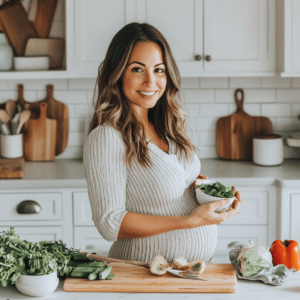
Pregnancy is an exciting yet crucial time in a woman’s life, marked by various physiological and emotional changes. To ensure both maternal and fetal health, proper nutrition is paramount. The foods an expecting mother consumes can profoundly impact her own health and the healthy development of her child. Understanding how to navigate dietary choices can empower mothers to facilitate a healthier pregnancy journey.
Here are 12 essential nutrition tips for expecting mothers, promoting overall well-being and supporting fetal growth.
1. Prioritize Nutrient-Dense Foods
Opt for foods rich in vitamins and minerals to support both your health and that of your developing baby. Whole foods, such as fruits, vegetables, whole grains, lean proteins, and healthy fats, should form the foundation of any pregnancy diet. Nutrient-dense options provide necessary vitamins like folate, iron, calcium, and omega-3 fatty acids—essential for the development of the baby’s organs, skin, and brain.
2. Incorporate Adequate Folate Intake
Folate, or vitamin B9, is crucial in fetal development, particularly in reducing the risk of neural tube defects. Pregnant women should aim for at least 600 micrograms of folate daily. Foods high in folate include leafy green vegetables, legumes, nuts, and fortified cereals. Additionally, taking a prenatal vitamin that contains folate can help meet the recommended dietary intake.
3. Ensure Sufficient Iron Levels
Iron supports the increased blood volume during pregnancy and helps deliver oxygen to the developing fetus. Anemia can lead to fatigue, complications, and low birth weight. Pregnant women should strive for around 27 milligrams of iron each day. Rich sources of iron include red meat, poultry, fish, lentils, beans, and fortified cereals. Pairing iron-rich foods with vitamin C sources like oranges or bell peppers can enhance absorption.
4. Embrace Healthy Fats
Healthy fats are essential for brain development and overall fetal growth. Omega-3 fatty acids, in particular, are critical for the baby’s neurological development. Expecting mothers can find omega-3s in fatty fish like salmon, walnuts, flaxseeds, and chia seeds. It’s wise to limit saturated fats and avoid trans fats found in processed foods. Instead, focus on sources of monounsaturated and polyunsaturated fats, like avocados and olive oil.
5. Stay Hydrated
Proper hydration is vital during pregnancy. Increased blood volume and amniotic fluid levels require that women drink more water. Staying adequately hydrated can help reduce swelling, prevent constipation, and support overall health. The general recommendation is to consume at least eight 8-ounce glasses of water a day, but this may increase based on individual activity levels and climate.
6. Monitor Caffeine Intake
Caffeine can cross the placenta and affect the developing fetus. While moderate caffeine consumption is generally considered safe, it’s best to limit intake to less than 200 milligrams per day, equivalent to about one 12-ounce cup of coffee. High caffeine intake may be associated with an increased risk of miscarriage or low birth weight. Opt for decaffeinated beverages, herbal teas, or simply water as healthier choices.
7. Limit Sugar and Processed Foods
Processing often strips foods of nutritional value and adds sugars, unhealthy fats, and preservatives. A diet high in added sugars can increase the risk of gestational diabetes and excessive weight gain during pregnancy. Focus on whole foods instead of processed snacks and opt for natural sweeteners when necessary, such as fruits or small amounts of honey.
8. Prepare for Morning Sickness
Many women experience morning sickness, particularly during the first trimester. While this can be challenging, choosing light and bland meals can help alleviate nausea. Foods such as crackers, toast, and bananas are gentle on the stomach. Eating smaller, more frequent meals instead of large ones may also help manage symptoms.
9. Don’t Skip Breakfast
Breakfast sets the tone for the day and helps stabilize blood sugar levels. A healthy breakfast can provide the energy needed to tackle daily activities while also contributing vital nutrients to support fetal development. Whole-grain toast with avocado, oatmeal topped with fruit, or yogurt with nuts are all nutritious options to kick-start the morning.
10. Be Mindful of Food Safety
Foodborne illnesses can pose risks during pregnancy due to a weakened immune system. Pregnant women should avoid raw or undercooked meats, eggs, and seafood. Certain cheeses and deli meats can harbor Listeria, which can harm a developing fetus. Always ensure that foods are cooked to the appropriate temperatures and practice good hygiene by washing hands and surfaces frequently.
11. Consider a Prenatal Vitamin
While it is possible to obtain nutrients through a well-rounded diet, many healthcare providers recommend taking a prenatal vitamin to ensure that all necessary vitamins and minerals are adequately met. Look for a prenatal vitamin that includes key nutrients like folic acid, iron, and DHA to cover any potential nutritional gaps.
12. Consult with a Healthcare Professional
Every pregnancy is unique, and individual nutritional needs may vary. Consulting with a healthcare provider or a registered dietitian can help expecting mothers create a tailored plan that meets their specific needs. These professionals can provide guidance on managing any existing health conditions and suggest the best dietary approaches to support a healthy pregnancy.
Navigating the journey of pregnancy involves numerous considerations, especially regarding nutrition. By focusing on nutrient-dense foods, staying hydrated, and adhering to specific dietary guidelines, expecting mothers can positively influence their health and that of their unborn child. These 12 healthy pregnancy tips serve as a comprehensive guide to fostering well-being during this transformative period. Embracing these principles can contribute to a smoother pregnancy and lay the foundation for a healthier future for both mother and baby.