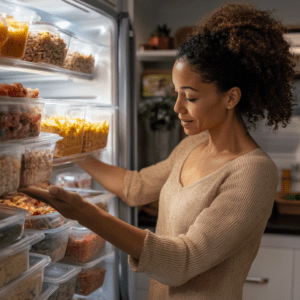
Freezing food is one of the simplest and most effective ways to save money and reduce waste, especially when buying in bulk. By taking advantage of bulk discounts at grocery stores or local markets, you can stock up on essentials and preserve them for future use. Freezing not only extends the shelf life of meats, seafood, fruits, and vegetables but also helps you plan meals more efficiently and avoid the dreaded “what’s for dinner?” dilemma. With a little preparation and a few clever tricks, your freezer can become your greatest ally in creating a more budget-friendly and sustainable kitchen.
In this article, we’ll explore smart ways to maximize your freezer’s potential and transform the way you shop, store, and prepare food. From understanding what you can freeze and how to organize your freezer space to tips for proper storage and preventing freezer burn, these practical suggestions will help you make the most of your bulk purchases. Whether you’re looking to save time on meal prep or simply cut down on grocery costs, these freezer-friendly strategies will help you build a more efficient and economical approach to cooking.
1. Maximize Your Freezer Space
Before diving into bulk shopping and freezing, it’s crucial to assess how much freezer space you have. A cluttered or overstuffed freezer makes it harder to store and retrieve food efficiently. Start by decluttering your current freezer—toss expired or freezer-burned items and reorganize to create a clear inventory of what you already have. For larger households or those serious about freezing in bulk, consider investing in a standalone freezer for your garage or a spare room. Chest freezers and upright freezers are excellent options, offering ample space to store everything from meats and vegetables to prepared meals. These units are particularly useful for buying seasonal items or stocking up during sales.
Once you’ve optimized your freezer space, focus on organization. Use stackable storage containers or freezer-safe bags to make the most of every inch. Flatten bags of soup, sauces, or chopped vegetables before freezing them to save space and make stacking easier. Create sections in your freezer for different categories—meat, veggies, fruits, and prepared meals—to keep everything easy to find. Label shelves or bins if necessary, and don’t forget to rotate older items to the front so nothing goes to waste. A little planning goes a long way in turning your freezer into a well-organized tool for saving money and reducing food waste.
2. The Freezer-Friendly Foods You Need to Stock Up On
One of the greatest advantages of freezing food is the variety of options you can preserve for later use. Start with the basics—meat, poultry, and seafood. These are freezer staples that not only store well but also provide flexibility for countless meals. Ground beef, chicken breasts, pork chops, and fish fillets can all be frozen for months, allowing you to take advantage of bulk deals without worrying about spoilage. Divide these into portions before freezing for easy defrosting, and ensure they’re sealed tightly to prevent freezer burn. Seafood like shrimp or salmon can also be frozen effectively, making it convenient to keep high-protein options on hand for quick meals.
Beyond proteins, there’s a surprising array of other freezer-friendly foods worth stocking up on. Fruits like berries, bananas (peeled), and mangoes freeze beautifully and are perfect for smoothies or baking. Vegetables such as broccoli, spinach, carrots, and peas can also be frozen after blanching, retaining their nutrients and freshness. For a little freezer magic, try storing shredded cheese, butter (wrapped and sealed), and even milk, which can be thawed for baking or cooking. Bulk buys of bread, tortillas, and even cooked grains like rice and quinoa also freeze well and save you time in meal prep. Stocking up on these essentials can help you reduce waste, save money, and always have key ingredients within reach.
3. Foods You Didn’t Know You Could Freeze
Your freezer is more versatile than you might think—it can preserve foods you probably didn’t realize could be frozen. For example, cheese is a fantastic freezer candidate, but it’s best to shred it first to maintain its texture and make it easier to use later. Buying large blocks of cheese and freezing portions can save you money and reduce waste. Butter is another freezer-friendly item; when wrapped in cling film or foil and placed in a freezer-safe bag, it can last for months without losing its quality. Even milk can be frozen, though it’s best used for cooking or baking after thawing due to slight texture changes.
Other surprising foods you can freeze include avocados and herbs. For avocados, mash them with a bit of lemon or lime juice before storing in an airtight container—this is perfect for guacamole or spreads. Fresh herbs can also be preserved by chopping them up, mixing them with a little olive oil or water, and freezing the mixture in ice cube trays. You can even freeze leftover cooked rice, pasta, or grains like quinoa, which makes weeknight dinners faster and easier. These unexpected options can extend the shelf life of foods that often go bad quickly, giving you more time to enjoy them while cutting down on food waste.
4. Divide and Conquer: Portion Control for Freezer Efficiency
When freezing food in bulk, portion control is key to ensuring efficiency and reducing waste. Dividing food into smaller portions before freezing makes it easier to defrost only what you need, eliminating the frustration of thawing an entire pack of chicken breasts or a huge container of soup when you only need a small amount. Use freezer-safe bags or containers to separate meats, seafood, and prepared dishes into single-serving or family-sized portions, depending on your household’s needs. Flattening these portions, especially soups or sauces, allows them to freeze faster, thaw more quickly, and stack neatly, saving valuable freezer space.
Proper portioning isn’t just about convenience—it can also help you plan meals more effectively. Pre-portioning ingredients like diced vegetables, shredded cheese, or marinated chicken can streamline weeknight dinners and encourage healthier eating habits by controlling serving sizes. For baked goods or snacks, freeze items like cookie dough, muffins, or pancakes individually before transferring them to a larger bag to prevent sticking and make single servings easier to grab. Taking a little extra time to divide your bulk purchases into usable portions upfront will save you time, money, and stress in the long run while keeping your freezer organized and functional.
5. The Art of Proper Labeling
Proper labeling is an essential part of freezer organization and helps you avoid the dreaded mystery meals lurking in the back of the freezer. When freezing food, always label each item with three key pieces of information: the name of the food, the date it was frozen, and its expiration date. This simple step ensures you can identify items quickly, prevents accidental food waste, and helps you use older items before newer ones. For example, if you’ve frozen both cooked and raw chicken, clear labels make it easy to grab the right one without opening multiple containers. Use a permanent marker and freezer-safe labels that won’t smudge or peel off, even in cold or moist conditions.
To make your system even more efficient, consider grouping foods by category (like meats, vegetables, or prepared meals) and adding additional details to your labels, such as portion size or reheating instructions. For instance, if you’ve portioned out soup for single servings, note how many servings are in each bag. Creating a master inventory list of everything in your freezer, either on paper or in a freezer management app, can help you track what you have at a glance. With a little planning and attention to labeling, you’ll save time, reduce stress, and get the most out of your frozen foods.
6. Tools That Make Freezing Easier
Having the right tools can make freezing food easier, more efficient, and help preserve the quality of your ingredients. One of the most valuable tools is a vacuum sealer, which removes air from storage bags and creates an airtight seal. This prevents freezer burn, extends the life of frozen items, and saves space by compressing foods like meats and vegetables into flatter, more stackable packages. For those who prefer reusable options, silicone freezer bags are an eco-friendly alternative to single-use plastic bags. These durable bags are freezer-safe, easy to clean, and perfect for storing everything from leftovers to chopped produce.
Other helpful tools include stackable freezer containers, which keep your freezer organized and prevent smaller items from getting lost in the chaos. Ice cube trays with lids are ideal for freezing small portions of sauces, purees, or even herbs mixed with olive oil. Label makers or waterproof labels paired with permanent markers can ensure every item is clearly marked, making it easier to find what you need. If you often freeze soups or liquids, consider investing in wide-mouth jars or freeze-safe mason jars to prevent spills and cracking. With these tools in your arsenal, managing your freezer becomes a seamless part of your meal planning routine.
7. Prep Ahead: Cook Before Freezing
Cooking food before freezing is a game-changer for busy households, saving both time and effort on hectic days. By preparing meals or ingredients in advance, you can have ready-to-eat dishes that just need reheating or assembling. Soups, stews, casseroles, and pasta dishes are excellent candidates for freezing after cooking, as they retain their flavors and textures well. Meat and poultry can also be cooked and frozen, such as grilled chicken breasts or roasted pork, which can later be added to salads, wraps, or grain bowls. Just ensure the food is completely cooled before freezing to prevent condensation and ice crystals from forming, which can alter the food’s texture.
When prepping meals to freeze, portioning is key to making defrosting and reheating easier. Divide larger batches of cooked food into individual or family-sized portions, and store them in airtight containers or freezer-safe bags. Flattening bags of soup or sauces before freezing not only saves space but also speeds up thawing. For added convenience, consider prepping components of meals—like marinated chicken, sautéed vegetables, or cooked rice—so that assembling a homemade meal becomes effortless. Pre-cooking and freezing can significantly reduce stress, prevent food waste, and ensure you always have a backup plan for dinner on those busy days.
8. Avoiding Freezer Burn
Freezer burn can be the bane of any well-stocked freezer, leading to dry, discolored, and unappetizing food. It occurs when air comes into contact with the surface of frozen food, causing dehydration and oxidation. To prevent freezer burn, the first step is to use airtight packaging. Vacuum sealers are especially effective, as they remove all air and create a tight seal around your food. If a vacuum sealer isn’t available, use freezer-safe bags or containers and press out as much air as possible before sealing. Double wrapping certain items, like meats, in cling film or foil before placing them in a freezer bag can provide an extra layer of protection.
Proper storage techniques also play a key role in avoiding freezer burn. Always freeze food in portions that fit tightly in your containers or bags to reduce excess air. Flattening items, like soups or sauces, not only saves space but minimizes surface area exposed to air. Label your packages with the date to ensure you use older items first, as food left in the freezer for too long is more susceptible to freezer burn. Maintaining a consistent freezer temperature of 0°F (-18°C) or lower also helps preserve food quality. By taking these precautions, you can keep your frozen foods fresh and delicious for months.
9. Make Freezing Part of Your Meal Plan
Incorporating freezing into your meal planning routine can significantly streamline your cooking process and save time throughout the week. When planning meals, consider prepping some dishes in bulk and freezing them for later use. For instance, making large batches of soups, casseroles, or chili allows you to freeze portions for future dinners, cutting down on cooking time and ensuring you always have a homemade meal ready to go.
You can also freeze individual meal components, such as cooked rice, beans, or grilled chicken, which can be quickly assembled into a variety of meals throughout the week. By planning meals around foods that freeze well, you create a backup system for busy days, ensuring you won’t need to rely on takeout or frozen processed meals.
Another great way to make freezing part of your meal plan is by prepping ingredients ahead of time. Chopping vegetables, marinating meats, or assembling smoothie packs can all be done in advance and stored in the freezer for quick use. For example, you could freeze diced onions, peppers, and garlic together, making it easy to throw them into stir-fries or soups without any extra prep. By having these pre-portioned, pre-cooked, or pre-chopped ingredients on hand, you reduce the stress of cooking and ensure you’re always prepared to create healthy, home-cooked meals. Over time, this practice not only saves time but also helps you stick to your budget by making the most out of bulk purchases.
10. Know When to Toss: Freezing Guidelines by Food Type
While freezing can significantly extend the shelf life of many foods, it’s important to know how long different items can stay in the freezer before they start losing quality. For meats, freezing times vary based on the type. Ground meat and poultry can last for 3 to 4 months, while larger cuts like steak or pork chops can be kept for up to 12 months.
Seafood like fish and shrimp typically lasts between 3 to 6 months, while shellfish may be best used within 3 months for optimal flavor. It’s also important to note that cooked meats and meals should be consumed within 2 to 3 months to maintain their taste and texture, though they may be safe to eat beyond that timeframe.
For fruits and vegetables, freezing can preserve their quality for 8 to 12 months. However, some vegetables may require blanching before freezing to preserve their texture and nutritional content—such as broccoli, peas, and carrots. Dairy items, like cheese, can last up to 6 months when shredded or cut, while butter can be frozen for up to 9 months.
Even baked goods, such as bread, muffins, and pancakes, can be frozen for up to 3 months without compromising texture. To avoid food waste and freezer burn, keep a rotating inventory of what you have in the freezer and use older items first. With these guidelines in mind, you can maximize the effectiveness of your freezer and ensure that food stays fresh for as long as possible.
Conclusion
Freezing food is one of the most efficient and cost-effective strategies for saving time and money in the kitchen. By buying in bulk and freezing what you won’t use right away, you can stretch your grocery budget while ensuring you always have fresh ingredients on hand. From meats and vegetables to fruits and even dairy, the possibilities are endless when it comes to what you can freeze. Proper portioning, labeling, and understanding how long different foods can stay frozen are key to making the most of your freezer space and preventing waste. With a little planning, you can maximize the value of your bulk purchases and minimize the need for last-minute grocery trips.
As you incorporate freezing into your meal planning, you’ll also enjoy the convenience of having ready-to-eat or easy-to-prepare meals whenever you need them. Whether it’s pre-cooked dinners, portioned ingredients, or frozen snacks, the extra time you save will allow you to focus on other aspects of life without sacrificing quality or flavor. By following the tips outlined in this article, you can transform your freezer into a valuable resource that works for you. In the long run, freezing not only helps you stay organized and save money but also supports a more sustainable and efficient approach to cooking.